
A handheld fan OEM project starts with a clear product and order brief. For importers, distributors and private label brands, agreeing on the intended sales channel, product version and customization scope makes quotations easier to compare and gives sample approval a practical purpose.
This handheld fan OEM guide takes you from product selection to order planning. Use it to prepare a sourcing discussion with HONVENJA and turn your requirements into an agreed sample, specification and quotation.
1. Define the Buyer, Channel and Commercial Brief
Start with who will buy the fan and how it will be sold. A retail assortment, online listing and promotional gift project can require different packaging, presentation and delivery schedules.
- Market and channel: Identify the destination country, target customer and sales channel.
- Quantity and price position: Share the expected first order, possible repeat orders and target purchase price, with the required trade terms.
- Timing: Give the required arrival date and any fixed campaign or seasonal deadline.
If the product format is still open, review our portable fan buying guide before narrowing the brief to a handheld model.
2. Select and Record the Base Product Version
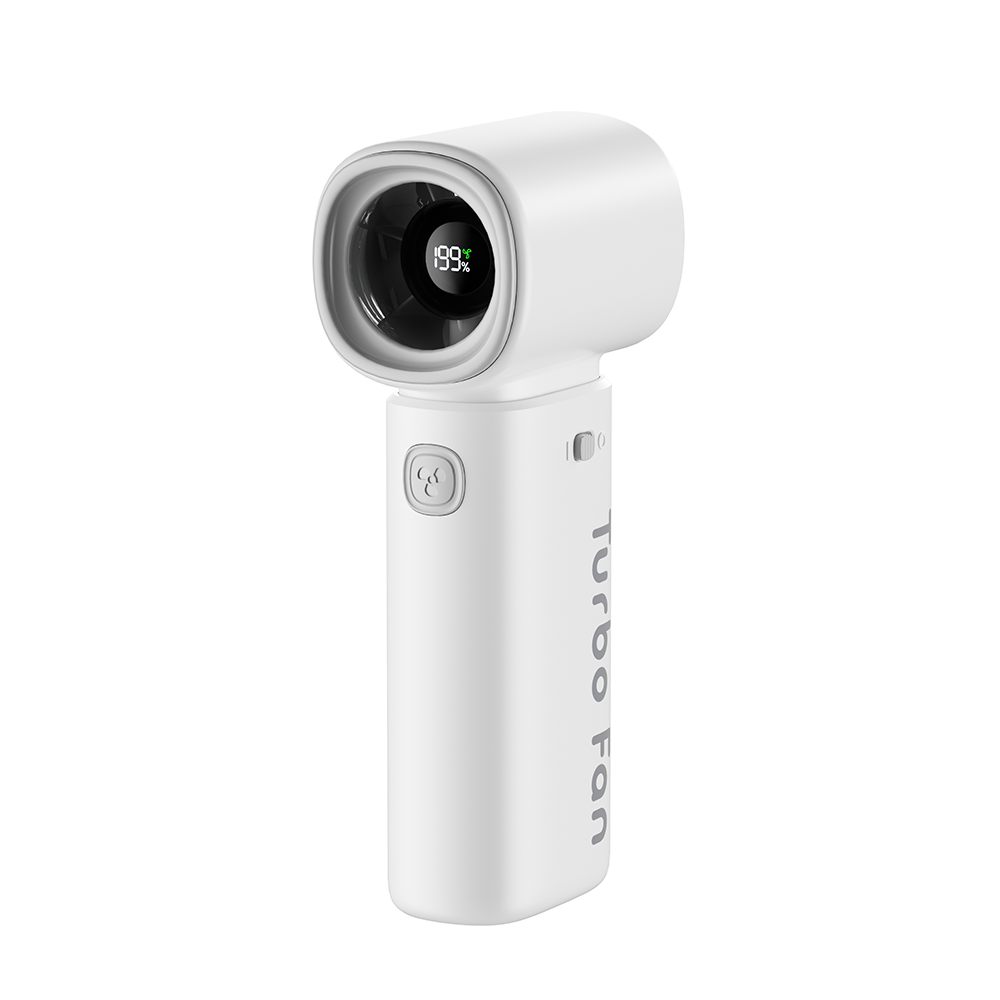
Compare shortlisted models as complete products. Consider grip, size, control layout, airflow experience, operating sound, charging arrangement and the accessories included in the offer.
For battery capacity, runtime and performance figures, request the specification and test conditions for the selected version. Record which model and configuration each quotation covers so that a lower price can be assessed against the same supply scope.
Explore the portable handheld fan range to prepare a shortlist.
3. Separate Branding from Product Development
Describe the changes you need before comparing minimum order quantities or lead times. The development work can differ substantially between adding a logo and changing the product itself.
- Brand presentation: Specify logo artwork, proposed placement, colors, packaging, instructions and barcode requirements.
- Technical changes: Identify any requested changes to the battery, motor, controls, charging design or accessories.
- New design or tooling: Discuss drawings, tooling costs, ownership, exclusivity and the development schedule when a dedicated design is required.
HONVENJA can review private label and OEM/ODM requirements against the selected model and project scope. Available options, minimum quantities, development costs and timing are confirmed in the project quotation.
4. Approve a Sample and Written Specification Together
Use the sample to evaluate the experience your customer will receive. Check handling, control access, finish, charging, accessories and packaging. Agree on test conditions for any performance or runtime claims that will appear in your sales materials.
Record the sample version and agreed changes in writing. Keep the product specification, artwork, packing details and inspection criteria with the approval record. If a later change affects these items, resolve it before production release.
5. Compare the Complete Delivered Offer
A useful quotation comparison includes the product, customization, packaging, inspection arrangements and shipping scope. State the trade term and named place so that included charges are clear.
Confirm the available product and battery documentation for the selected configuration, destination and shipping plan. Have the relevant records reviewed for their intended use before approving packaging or making compliance claims.
Also agree on carton quantities, weights and dimensions, payment milestones, defect handling and the after-sales terms. These details help establish the order budget and responsibilities.
6. Build the Order Schedule Around Approval Milestones
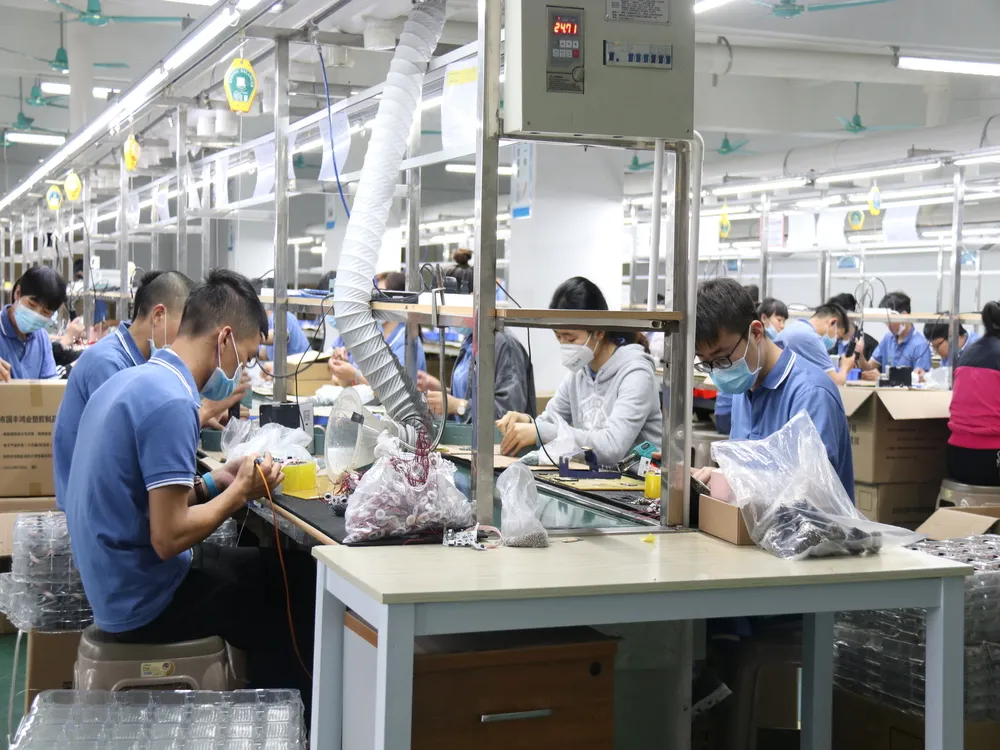
Work backward from the required arrival date. Allow time for sample delivery and review, artwork approval, any development work, production, inspection and transport.
Confirm what starts the quoted production lead time, such as receipt of the deposit and final sample or artwork approval. Agree on inspection timing and shipping readiness before committing to a customer delivery date.
What to Include in Your Handheld Fan Enquiry
- Destination market and sales channel.
- Preferred models or product requirements.
- Expected quantity and target price with trade terms.
- Logo, color, packaging and technical customization needs.
- Sample requirements and required arrival date.
- Documentation and inspection requirements already identified for the project.
Send these details to HONVENJA for a handheld fan OEM discussion. We can review the product shortlist, sample plan and customization scope, then confirm the proposed configuration and commercial terms in a quotation.