
Sourcing cooling vest fan kits starts with matching the fan modules, battery power supply, mounting design and controls to the intended garment. For apparel brands, importers and OEM buyers, a clear specification and a complete sample are more useful than comparing motor speed or battery capacity alone.
This guide covers five checks to use when discussing a cooling apparel project with a supplier. Product specifications, included components, documentation and customization options should be confirmed for the selected configuration.

1. Motor and Fan Performance: Request Comparable Test Data
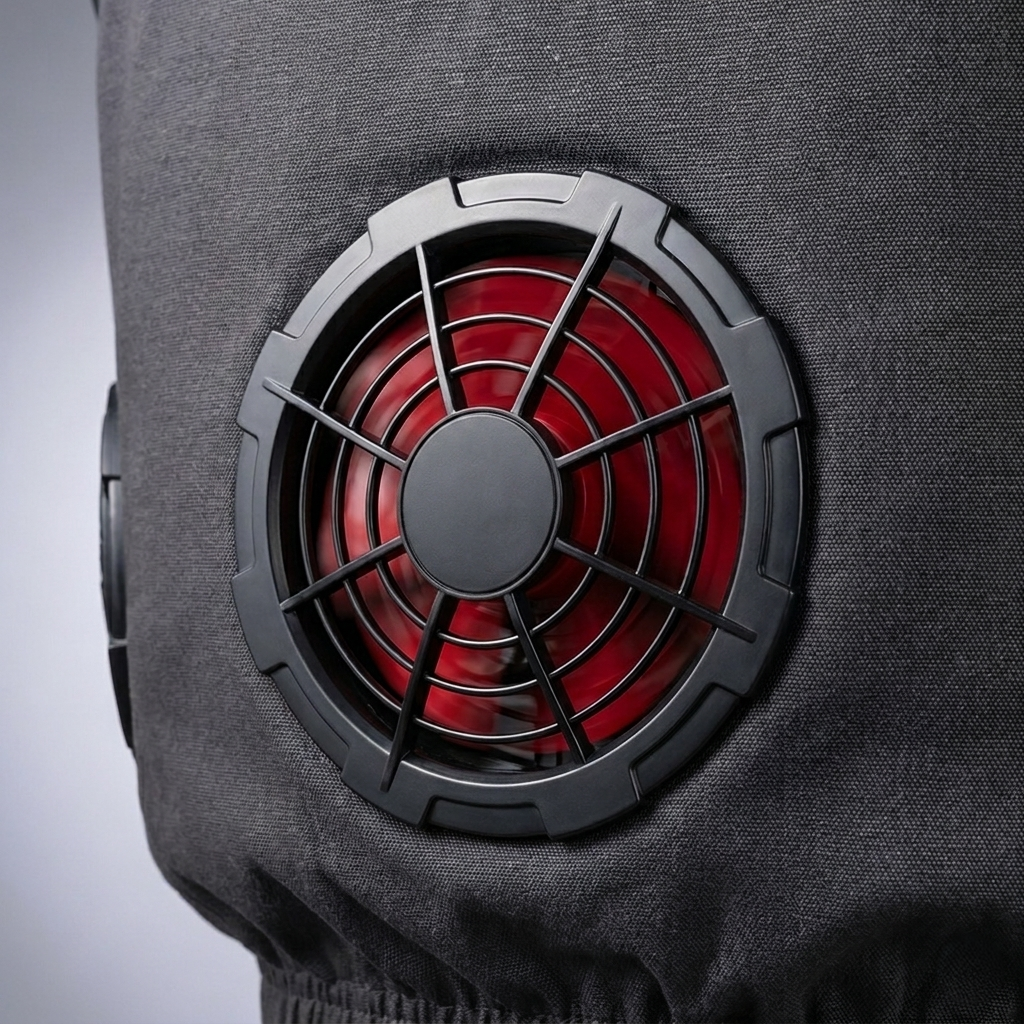
Ask the supplier to identify the motor type and the operating conditions used for performance claims. A brushless motor specification can be part of the comparison, but the motor label alone does not establish the durability or performance of the complete kit.
- Operating conditions: Confirm the supply voltage, speed setting and number of fans used for each test.
- Airflow and noise: Request the measurement method and test setup before comparing results from different suppliers.
- Durability: Review available endurance test records and the conditions covered by the warranty.
2. Battery and Power Supply: Verify Compatibility and Runtime
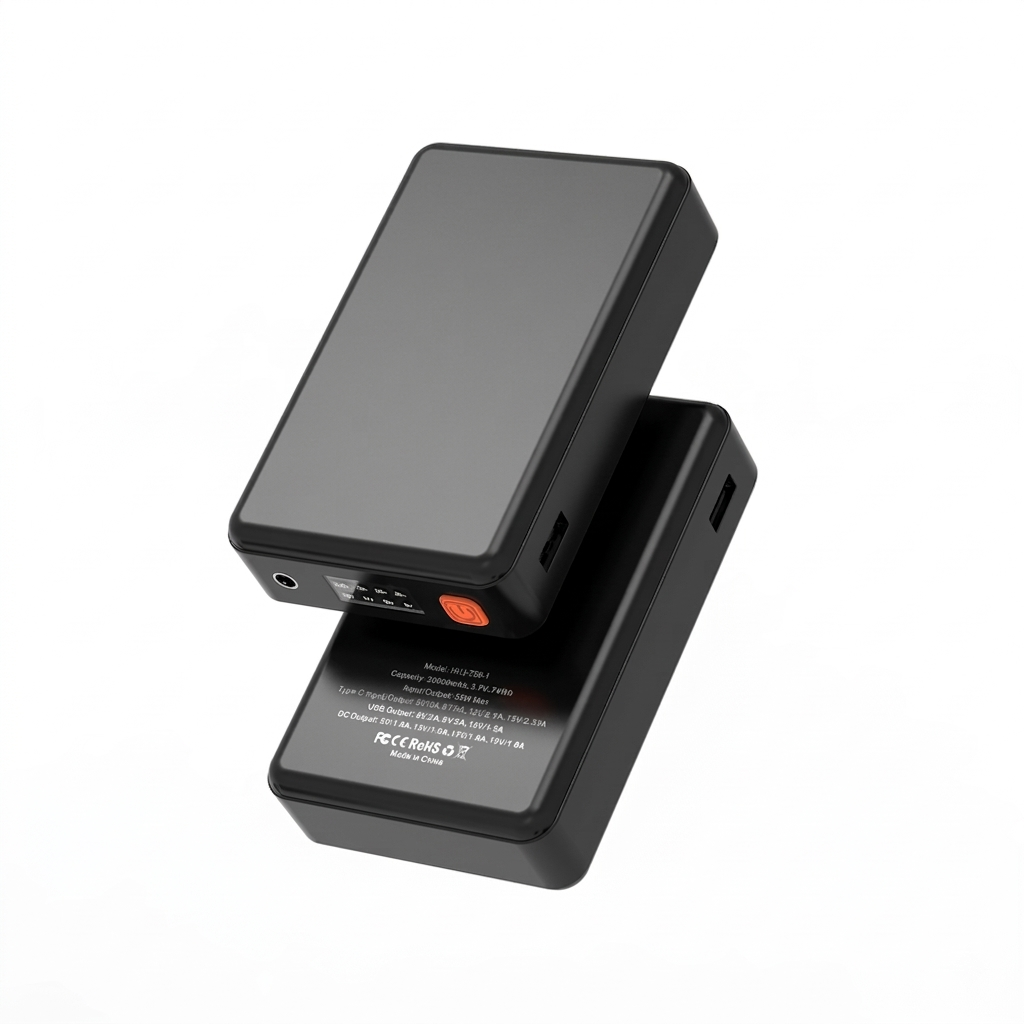
Compare the battery and fans as a complete system. A capacity figure alone is insufficient to determine operating time; the power supply, selected speed and connected load also need to be specified.
- Electrical compatibility: Confirm the required voltage, output, connector and cable arrangement for the selected kit.
- Runtime evidence: Ask for a test using the intended battery and fan combination, with the speed setting and test conditions recorded.
- Charging and documentation: Confirm the charging accessories, instructions and available documents for the exact battery version.
Have the documentation reviewed against the destination market and shipping plan. A document should identify the relevant model and scope; a list of certification logos is not a substitute for checking the actual records.
3. Airflow and Garment Fit: Test the Installed Assembly
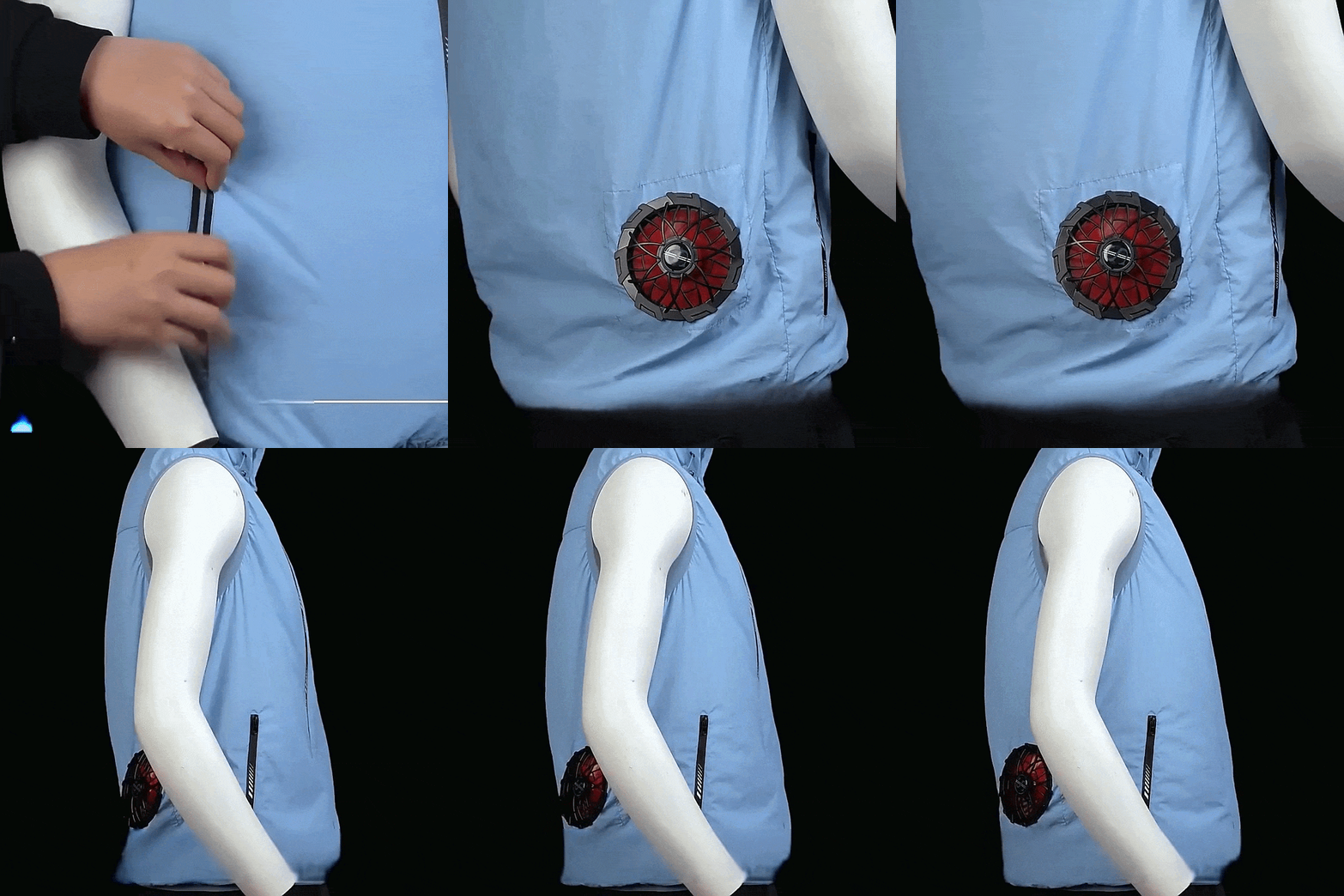
Inspect how the fan fits into the intended vest or jacket. A sample that works on a bench still needs to be assessed after installation in the garment.
- Mounting dimensions: Check the opening size, retaining mechanism and compatible fabric thickness.
- Air path: Review the inlet and outlet clearance and how the garment affects airflow during normal movement.
- Retention and servicing: Check attachment stability and whether the components can be removed as required by the garment care instructions.
4. Controller and Cables: Review Everyday Handling
Use the assembled sample to check control access, speed adjustment and cable routing. Consider how users will reach the controls while wearing the intended garment.
- Controls: Confirm the available settings, button operation and compatibility with the chosen power supply.
- Connections: Inspect connector fit, strain relief and cable movement during repeated use.
- Replacement parts: Ask which cables, controllers or other components can be supplied separately.
5. OEM Scope and Order Terms: Define What Will Be Supplied
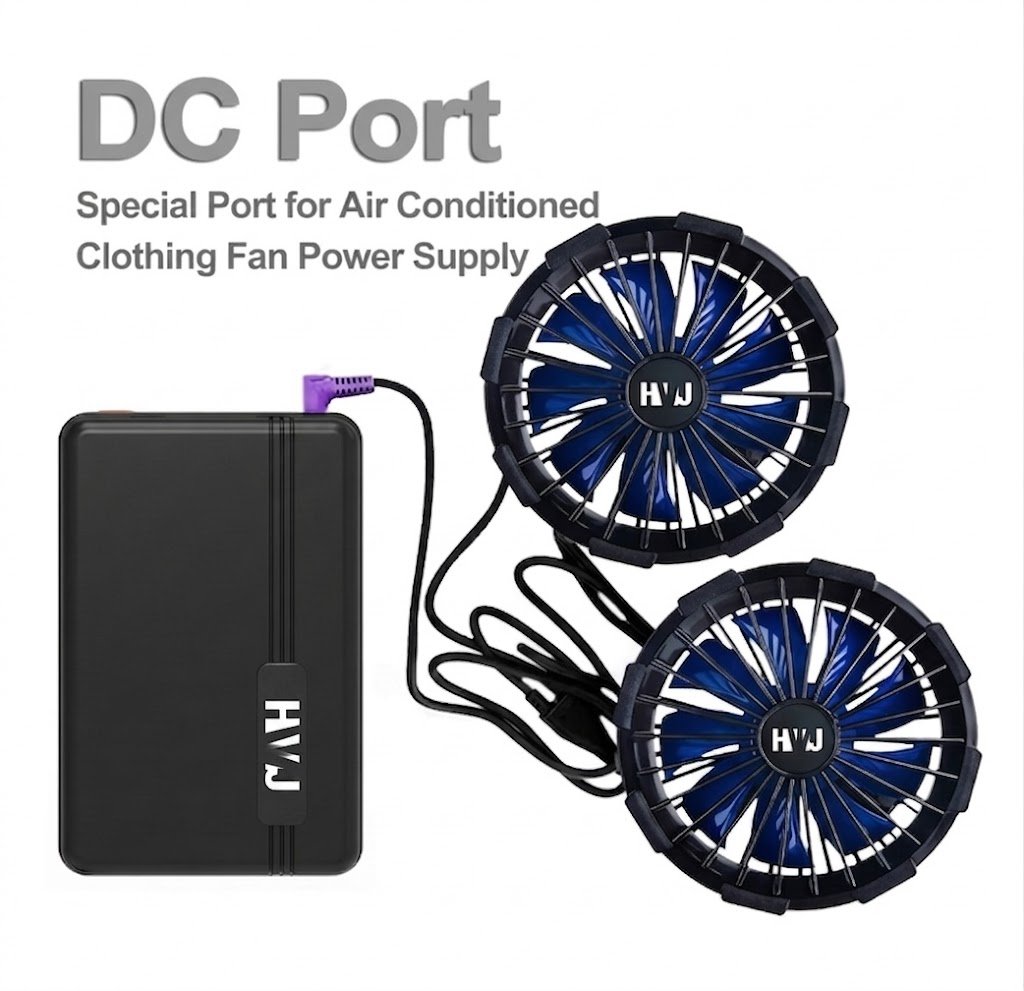
Before requesting a production quotation, agree on the bill of materials and sample configuration. Confirm whether the offer covers fan modules only, a power supply, controls, cables, packaging or a complete garment.
Discuss logo placement, packaging and any requested technical changes separately. Minimum order quantities, development costs and lead times can differ between branding an existing version and changing its components.
Record the approved sample, inspection criteria, documentation requirements and after-sales terms before confirming the order.
Buyer Questions
Can the same fan kit fit every cooling vest?
Compatibility should be checked for the intended garment. Confirm the mounting dimensions, retention design, power supply and cable layout using a complete sample.
What information is needed for a quotation?
Share the garment application, destination market, expected order quantity, target operating time and required components. Include drawings or opening dimensions when the garment design is already defined.
Discuss Your Cooling Apparel Project with HONVENJA
Review the HVJ-T50 cooling fan kit or explore cooling apparel fan kits. To discuss samples, configuration and private label or OEM/ODM requirements, send HONVENJA your project brief. The selected version, supply scope and commercial terms will be confirmed in the quotation.