
For importers, distributors and private label brands reviewing portable fan trends in 2026, the useful question is which product format fits a specific customer and sales channel. High-speed handheld fans, clip-on fans and pocket fans with mirrors offer different ways to build a portable cooling range.
This guide compares those three formats using HONVENJA product examples. It is a practical product selection guide, rather than a forecast of market size or sales growth. Final specifications, accessories and customization terms should be checked against the current quotation and approved product information.
1. Handheld Fans: Assess Performance and Everyday Usability
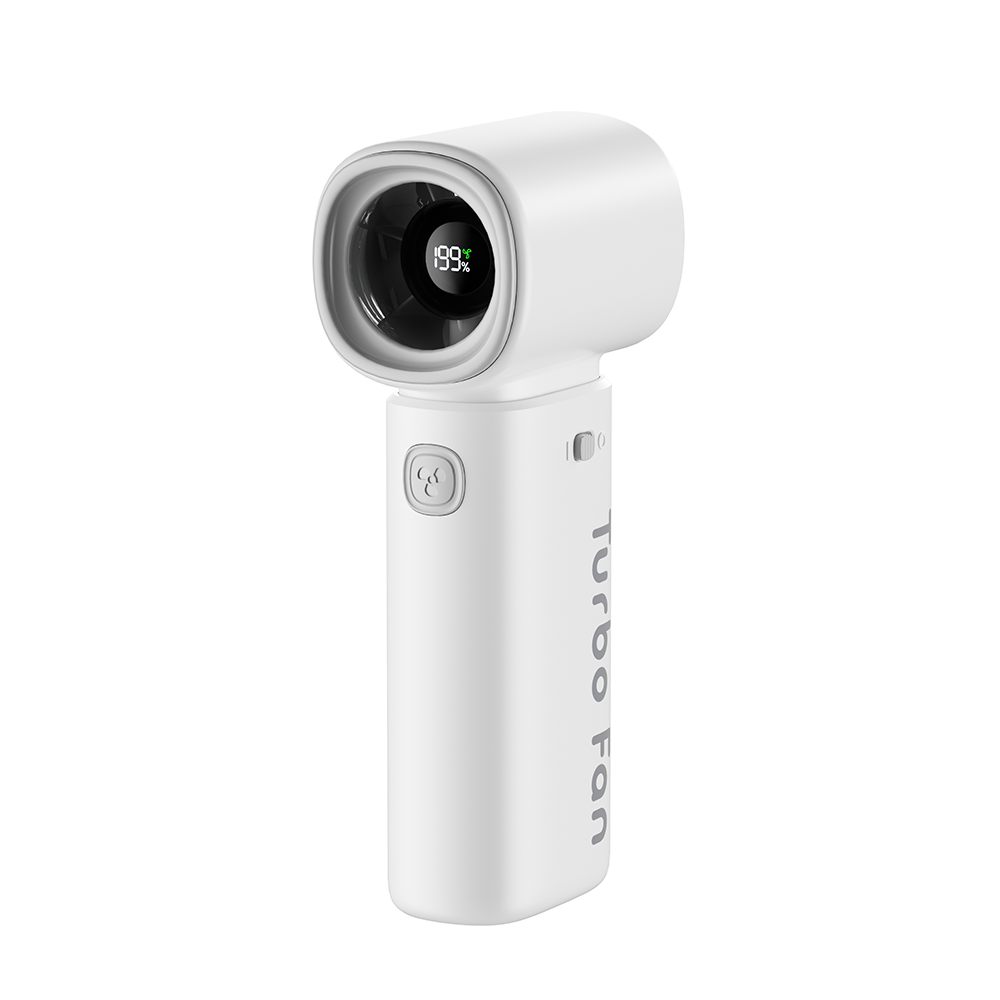
A handheld format gives the user direct control over where the airflow is directed. For buyers considering a high-speed design, the commercial decision should consider handling, controls, sound and battery performance together.
The HVJ-F03 handheld fan is one product example to review for this format. Use a sample to assess the grip, control layout and airflow experience before deciding how to position the product.
- Compare like-for-like test conditions: Review airflow and operating noise at the speed settings customers are likely to use.
- Check runtime by setting: Ask which speed, battery condition and test method were used for any stated runtime.
- Define the channel offer: Decide whether the packaging, price point and product presentation fit retail, online sales or a promotional project.
2. Clip-on Fans: Match the Mounting Design to the Application
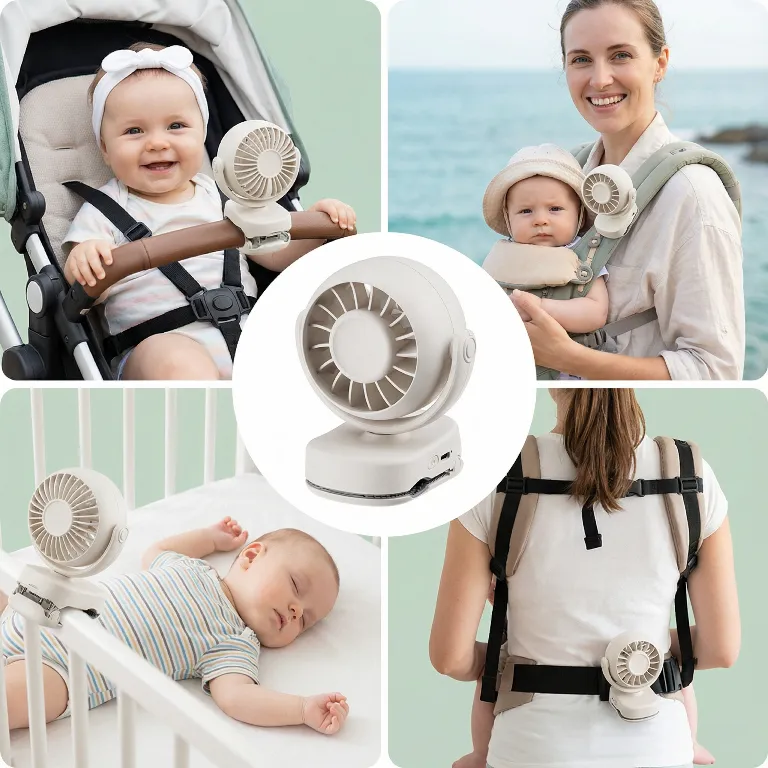
A clip-on format can suit customers who want airflow without continuously holding the product. The HVJ-F16 mini clip fan provides an example for buyers comparing compact mounting formats.
The mounting mechanism deserves as much attention as the fan itself. Test the sample on the intended support surface and check whether the controls remain accessible after installation.
- Verify the fit: Confirm the supported surface thickness, grip stability and adjustment range.
- Review repeated use: Inspect the clip, joints and cable routing after normal handling.
- Describe compatible uses precisely: Base application claims on the product instructions and confirmed testing.
3. Mirror Pocket Fans: Connect Added Features to a Clear Use
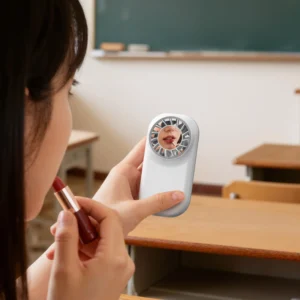
Combining a fan and a mirror creates a different product proposition from airflow alone. The HVJ-F37 mirror pocket fan is an example buyers can assess for a compact lifestyle assortment or a design-led gift project.
These are possible positioning choices, not a guarantee of demand. Review the sample with your target customer and compare the added feature with its effect on size, handling and price.
- Inspect the mirror: Check clarity, finish and protection during carrying.
- Assess portability: Confirm dimensions, weight and the actual packing arrangement.
- Confirm supplied accessories: List the cable, strap or other items included in the selected version.
4. Turn Product Selection into a Private Label Brief
Start with the target buyer, intended use, sales channel and expected order quantity. Then agree on the product version before requesting logo, color or packaging changes.
For each shortlisted model, confirm the approved specifications, sample availability, minimum order quantity, lead time and applicable compliance documents. Customization options and documentation vary by model and destination; they should be confirmed for the specific project.
Buyer Questions
Should a new portable fan range include all three formats?
Not necessarily. Start with the format that best matches your customers, budget and channel. Add another format when it serves a distinct use or price position.
What should I send when requesting a quotation?
Share the models of interest, destination market, expected quantity, branding needs and delivery target. This helps clarify the product version and commercial terms for comparison.
Plan Your Portable Fan Range with HONVENJA
Explore the HONVENJA cooling fan range or contact HONVENJA with your sourcing brief. We can discuss product selection, samples and private label or OEM/ODM requirements based on the selected models and project scope.